The Evolution of Coin Grading: NGC vs. PCGS
페이지 정보
작성자 Arnoldo Marmon 작성일25-11-08 16:27 조회0회 댓글0건관련링크
본문
The realm of numismatics has changed dramatically over the past century, and one of the most pivotal advancements has been the emergence of third-party authentication companies. The two most trusted names are the Numismatic Guaranty Company and the PCGS. Together, they’ve reshaped in bringing reliability, credibility, and openness to the rare coin trade, but their foundations and philosophies have taken distinct trajectories.
PCGS debuted in 1986, making it the pioneering independent evaluator to gain global credibility. It was established by seasoned numismatists who understood the necessity of neutrality to determine state of preservation. Before PCGS, grading was arbitrary and unstandardized. Dealers would describe coins as "uncirculated" or "mint state", but without a standard, buyers often were distrustful. PCGS implemented a numerical grading system based on Sheldon’s scale and sealed coins in tamperproof holders with information-rich authentication stickers. This revolution gave collectors assurance and helped establish a trusted ecosystem for high-value specimens.
The Numismatic Guaranty Company launched in 1987. It was founded by former PCGS employees who wanted to build on the model but introduce new features and improvements. NGC quickly gained traction by offering quicker processing speeds, comprehensive certification documentation, and a targeted digital outreach campaign. One of its initial strengths was the use of a third-party authentication process before grading, which added another layer of security. NGC led the way in integrating technological advancements sooner, introducing web-based coin lookup tools and high-res photo archives of encapsulated coins.
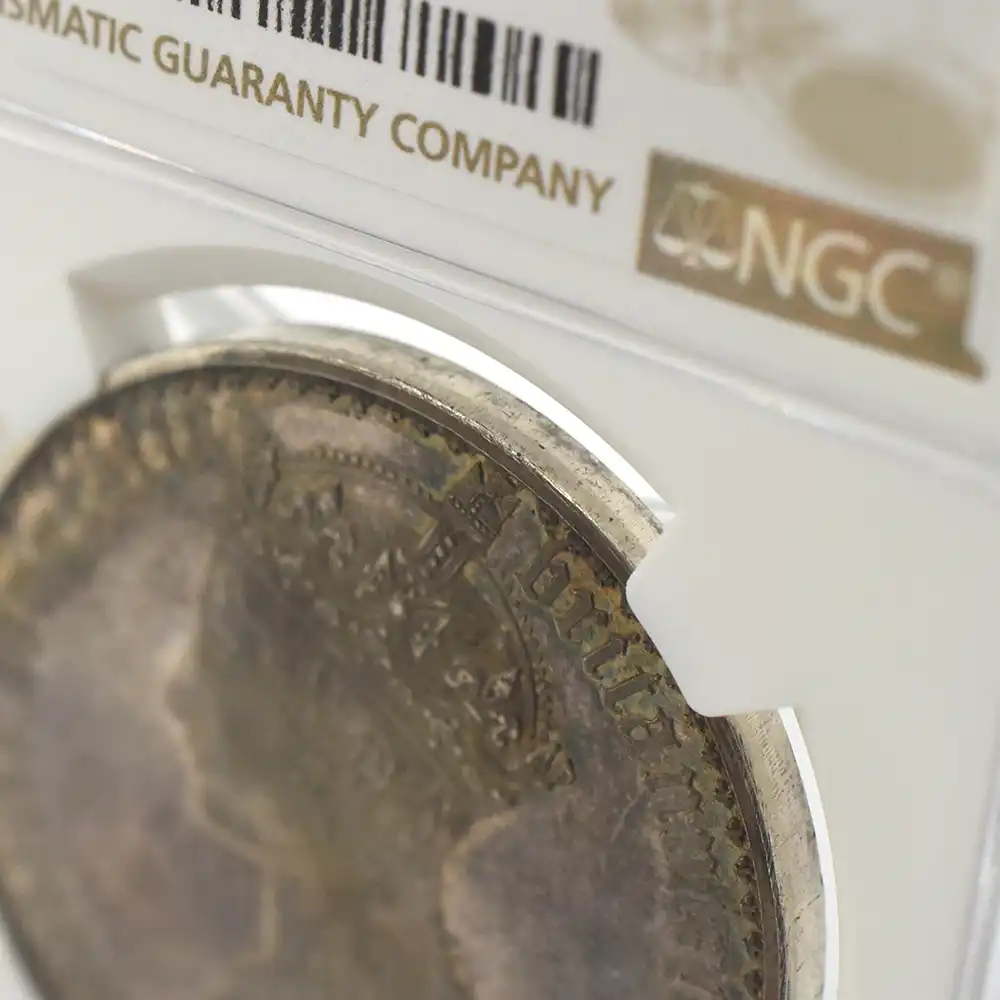
Over the decades, both organizations have perfected their processes. PCGS dedicated itself to building enduring reputation and has invested heavily in historical data, including the development of its Coin Certification Database and its population reports that reveal the rarity distribution across grades. In contrast, has prioritized innovation and customer service, expanding into value-added solutions including insured storage, collaborations with numismatic insurers, and even a mobile app for collectors.
Both have flaws, and both have been scrutinized by collectors. Some collectors argue that grading standards have become too strict or too lenient at times, and that the same coin can receive different grades from each service. Others point to the fee structure and the rare instances of misgrading. But throughout the controversies, both have become the benchmark for what a third-party authentication provider should be.
Currently, experienced numismatists and traders consider coins graded by these two authorities to be the universally accepted norm. Many major アンティークコイン投資 coin shows and vendors list only coins graded by one or both of these organizations. The rivalry has pushed the entire industry forward, encouraging more ethical grading, more transparency, and greater accountability.
As the numismatic community continues to grow, the importance of certification remains critical. While PCGS may be seen as the pioneer, and NGC as the innovator, each has evolved into indispensable pillars of the numismatic landscape. Their journey reflects not just shifts in corporate vision, but also the increasing desire for confidence in a market founded on scarce, precious artifacts with histories as rich as the metal they are made from.
댓글목록
등록된 댓글이 없습니다.